888-581-8014

What Is Medicare?

Medicare is a federal health insurance plan

Since 1965, Protecting Seniors

Your Health Legacy

Established under the Social Security Act, Medicare provides essential health coverage to all eligible Americans over 65. This federally-funded program ensures access to care regardless of income or medical history.

Medicare came into effect in 1965 under the social security act, with the purpose of providing health insurance to U.S. citizens over the age of 65, regardless of income or medical history.

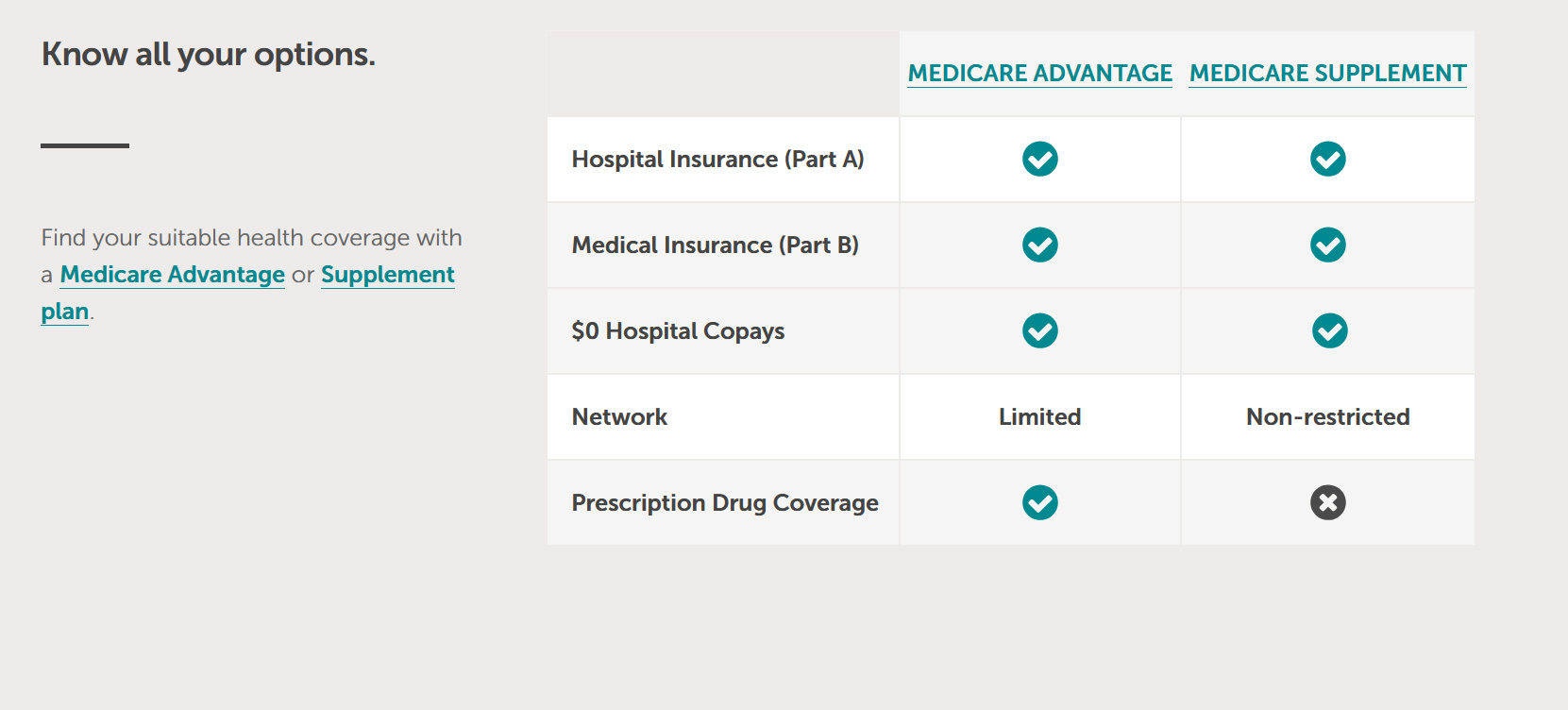
All U.S. citizens are eligible to receive Original Medicare at the age of 65. Original Medicare consists of Part A (inpatient hospital services) and Part B (outpatient medical services). Prescription drug coverage may be purchased separately under Part D Medicare, and special plans covering Original Medicare, Part D Medicare and more health services, also known as Medicare Part C (Medicare Advantage plans), can be purchased from private insurance companies.
About Us One Column

Once you know you qualify for Medicare, you can evaluate your coverage options.

Medicare Eligibility

If you meet that criteria and have worked at least 10 years, you automatically become enrolled in Part A at the age of 65. You also become eligible to enroll in Medicare Part B, for a monthly premium.

Special Circumstances

Certain younger people may qualify for Medicare coverage if they have certain disabilities or life-threatening diseases. If you are under the age of 65, you may qualify for Medicare if you have:

  • ALS (also known as “Lou Gehrig’s Disease”)
  • End Stage Renal Disease (ESRD)
  • Received Social Security Disability Income
    (SSDI) for 24 months

Turning 65

New to Medicare?

Let us guide you through the gauntlet.

What’s Not Covered Under Medicare Parts A & B

While Original Medicare covers some necessary bases, it doesn’t cover all your costs. Services and expenses that are not covered under Original Medicare include:

  • Most dental care/dentures
  • Eye exams/prescription glasses
  • Prescription drugs
  • Hearing aids
  • Long-term care
  • Homeopathic care
  • Acupuncture
  • Deductibles, coinsurance, or copayments for health services